
-
ent Cool Thermostatic 3-Way Rainshower Set 43560, Gun Metal
Regular price $967.92 SGDRegular price -
ent Royal 3-Way Rainshower Set 78060, Brushed Nickel
Regular price $695.42 SGDRegular price -
Grohe BauEdge Single Lever Bath and Shower Mixer 23605000
Regular price $229.00 SGDRegular price$319.00 SGDSale price $229.00 SGDPre-order -
Grohe BauEdge Single Lever Shower Mixer 23636000
Regular price $199.00 SGDRegular price$239.00 SGDSale price $199.00 SGDPre-order -
Grohe BauFlow Single Lever Bath and Shower Mixer 23601000
Regular price $229.00 SGDRegular price$299.00 SGDSale price $229.00 SGDPre-order -
Grohe BauFlow Single Lever Shower Mixer 23632000
Regular price $199.00 SGDRegular price$239.00 SGDSale price $199.00 SGDPre-order -
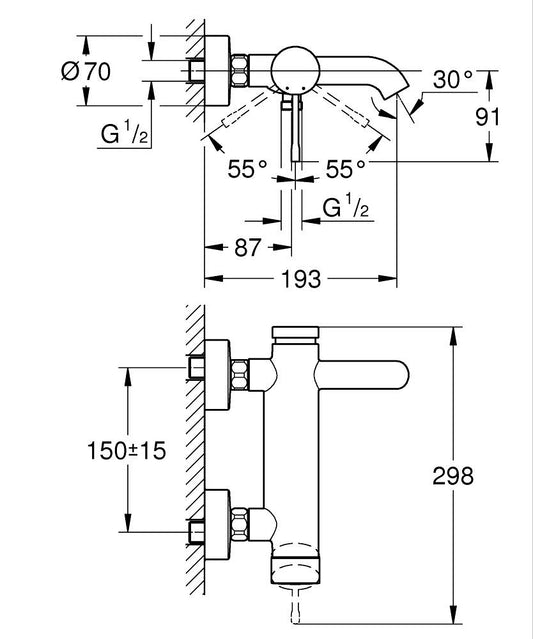
Grohe Essence Single Lever Bath and Shower Mixer 33624001
Regular price $659.00 SGDRegular price -
Grohe Essence Single Lever Bath and Shower Mixer Brushed Cool Sunrise 33624GN1
Regular price $839.00 SGDRegular price -
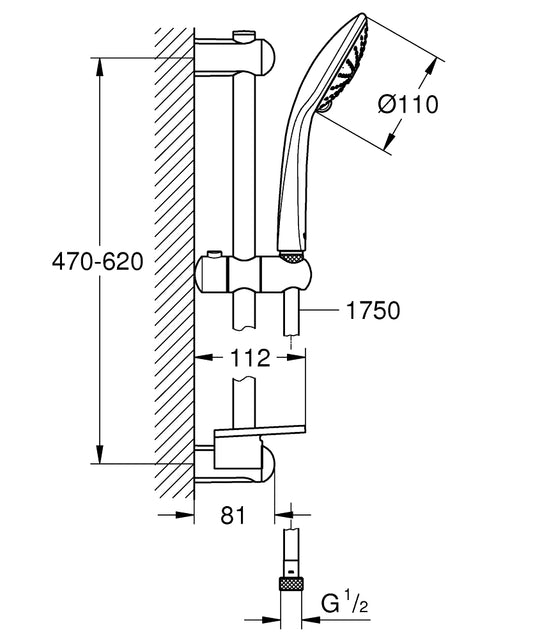
Grohe Euphoria 110 Massage Shower Rail Set 600 mm 3 Sprays 27231001
Regular price $229.00 SGDRegular price -
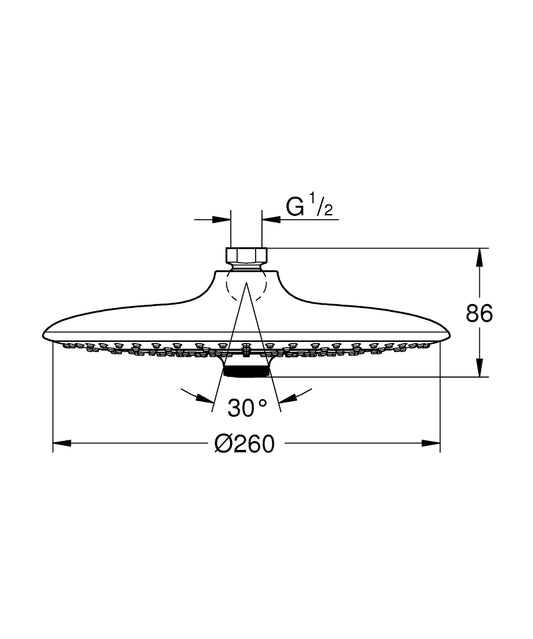
Grohe Euphoria 260 Head Shower 3 Sprays 26457000
Regular price $329.00 SGDRegular price -
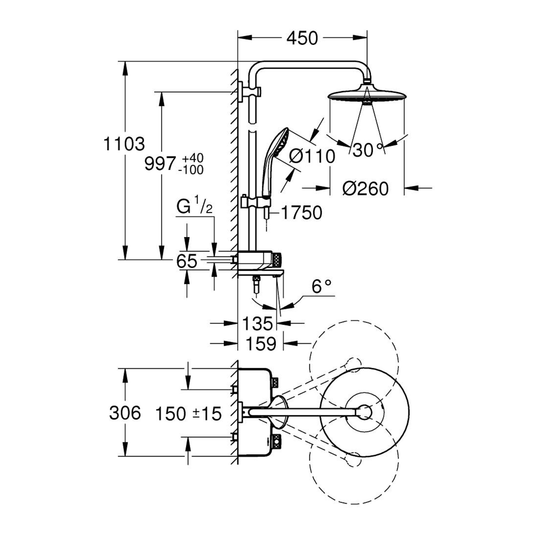
Grohe Euphoria SmartControl System 260 Shower System with Bath Thermostat 26608000
Regular price $1,599.00 SGDRegular price$2,099.00 SGDSale price $1,599.00 SGDPre-order













Shower Sets: Questions We Get Asked
Should I choose an exposed or a concealed shower mixer?
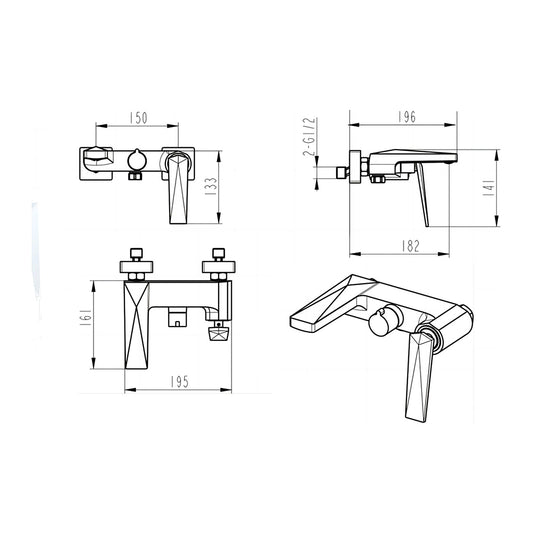
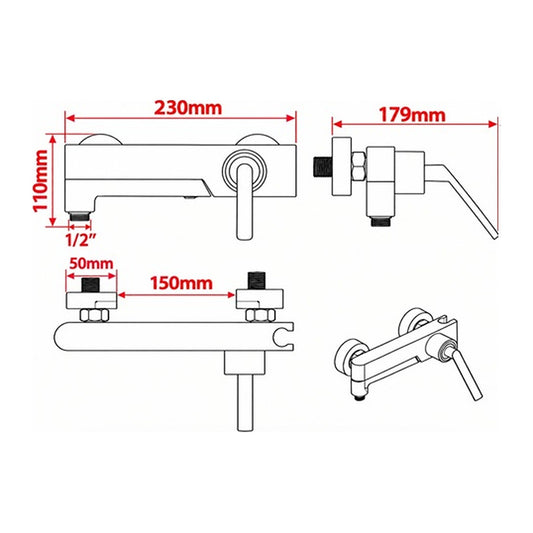
An exposed mixer is mounted on the wall surface, so it is quick to install and a good choice when you are replacing an old mixer. A concealed mixer hides the valve body inside the wall for a cleaner look, but the body has to be built in during renovation work.
What is the difference between a thermostatic mixer and a single lever mixer?
A single lever mixer lets you set the flow and temperature by hand. A thermostatic mixer holds the water at the temperature you choose, even when someone uses a tap elsewhere in the home, which is safer for children and elderly family members.
What is a showerpipe or rain shower set?
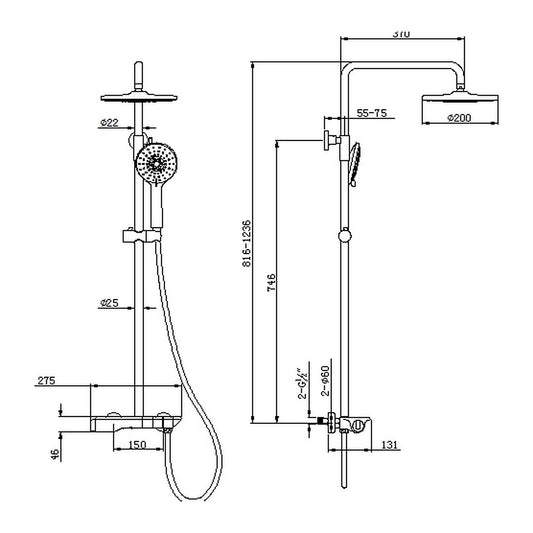
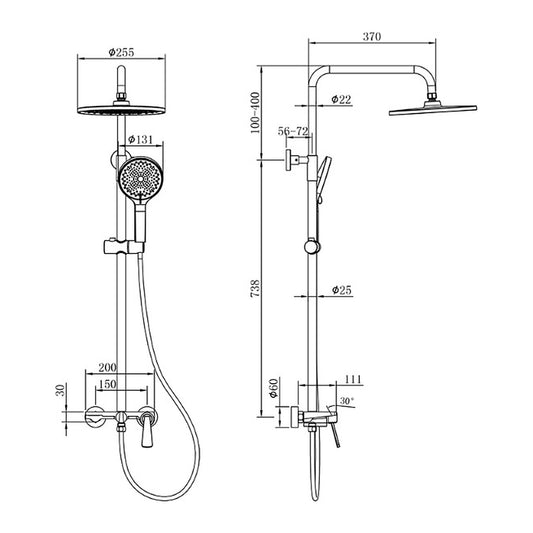
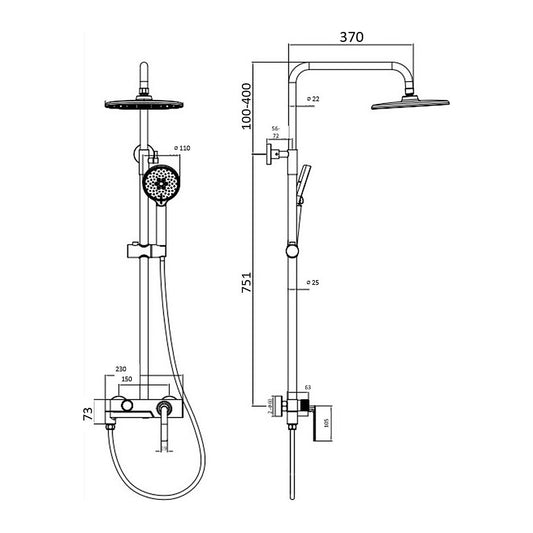
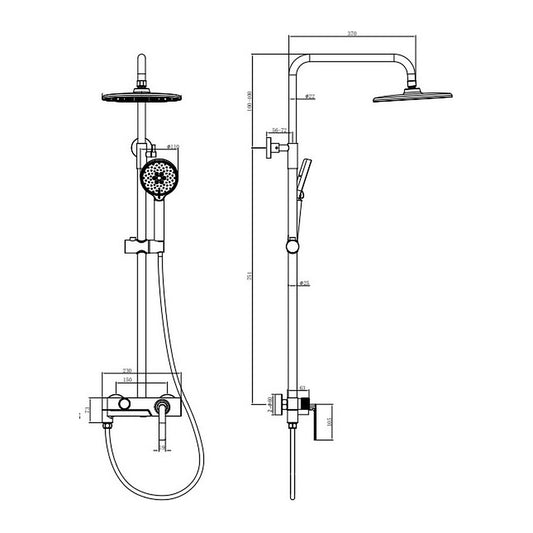
A showerpipe is a complete shower column with a large overhead rain shower, a hand shower and a mixer or thermostat on one riser. It is an easy way to get a rain shower without concealed plumbing.
What does the WELS rating mean for shower mixers?
Under PUB's Water Efficiency Labelling Scheme, a 3-tick shower tap or mixer flows at 5 litres per minute or less, and a 2-tick one flows at more than 5 up to 7 litres per minute.
Will a rain shower work with my water heater?
Rain shower sets are generally paired with a storage water heater, which can supply enough hot water for a large overhead shower. Most instant water heaters cannot, unless the instant heater comes with its own rain shower, as these usually have a built-in pump to boost the flow. If you have an instant heater, a hand shower set is usually the better choice. Tell us your heater model and we will suggest a suitable set. Our water heater guide explains the difference, including HDB power limits.
Is there a full guide to choosing a shower set?
Yes. Our shower set guide covers exposed and concealed mixers, thermostats, rain shower sets and which water heater they work best with.
From Global Brands to the Best Curated Local Brands
Best in Class
We are Singapore’s only shop with the most official international brand partnerships, offering the widest choice of top-tier products in every category.


Best in Value
We tightly curate only reliable regional products that give you great value at an affordable price.


The 4 Pillars of a Stress-Free Renovation

Ease of Experience

Ease of Mind

Ease of Pocket

Post-Purchase Security
From Showroom to Move-In: We Are With You Every Step
At Lucky Khoon, we stay by your side from the moment you bring in your floor plan to long after your renovation is complete

Technical Liaison
We liaise directly with your Interior Designer or contractor to align on exact installation requirements, water pressures, wiring, and product specifications.

Delivery Coordination
We provide free warehousing and coordinate a scheduled, consolidated delivery that aligns perfectly with your site's actual readiness.

Local After-Sales Care
Long after your contractor has handed over the keys, our in-house technical team provides reliable, on-the-ground support


Ongoing Promotion
View all-

Hafele Year-End Cooking Bundles 2026 - 90cm Hoo...
From 15 November to 20 December 2026, get Hafele's 90cm semi-integrated hood and a new glass gas hob from $1,199, plus a free microwave and an 8-piece knife set worth...
Hafele Year-End Cooking Bundles 2026 - 90cm Hoo...
From 15 November to 20 December 2026, get Hafele's 90cm semi-integrated hood and a new glass gas hob from $1,199, plus a free microwave and an 8-piece knife set worth...
-

11.11 In-House Brand Sale 2026 - 20% Off E+NT, ...
Everything not already on promotion is 20% off. Sale prices are already shown, no code needed, online and at our Enterprise One and Tradehub 21 showrooms.
11.11 In-House Brand Sale 2026 - 20% Off E+NT, ...
Everything not already on promotion is 20% off. Sale prices are already shown, no code needed, online and at our Enterprise One and Tradehub 21 showrooms.
-

Hansgrohe Stainless Steel Sinks Promo
Don't miss our promo on Hansgrohe stainless steel sinks! Save big and equip your kitchen with Hansgrohe's high quality stainless steel sinks.
Hansgrohe Stainless Steel Sinks Promo
Don't miss our promo on Hansgrohe stainless steel sinks! Save big and equip your kitchen with Hansgrohe's high quality stainless steel sinks.


Used in Real Bathrooms


4.9
Stars on Google Reviews

100,000+
Homes Served

30+
Years in Singapore


